BPC-157 consists of a short chain of amino acids, which places it in the peptide category from a biochemical standpoint
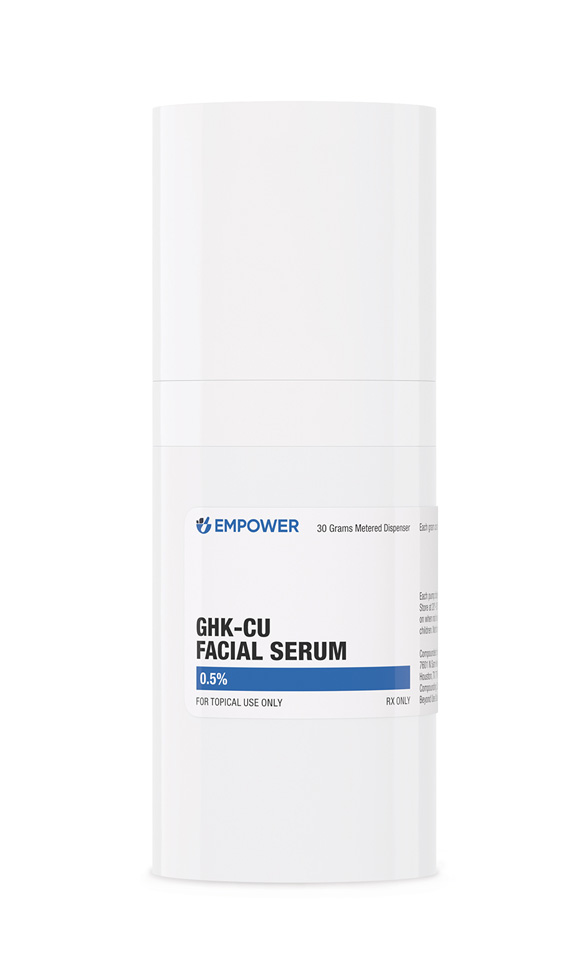
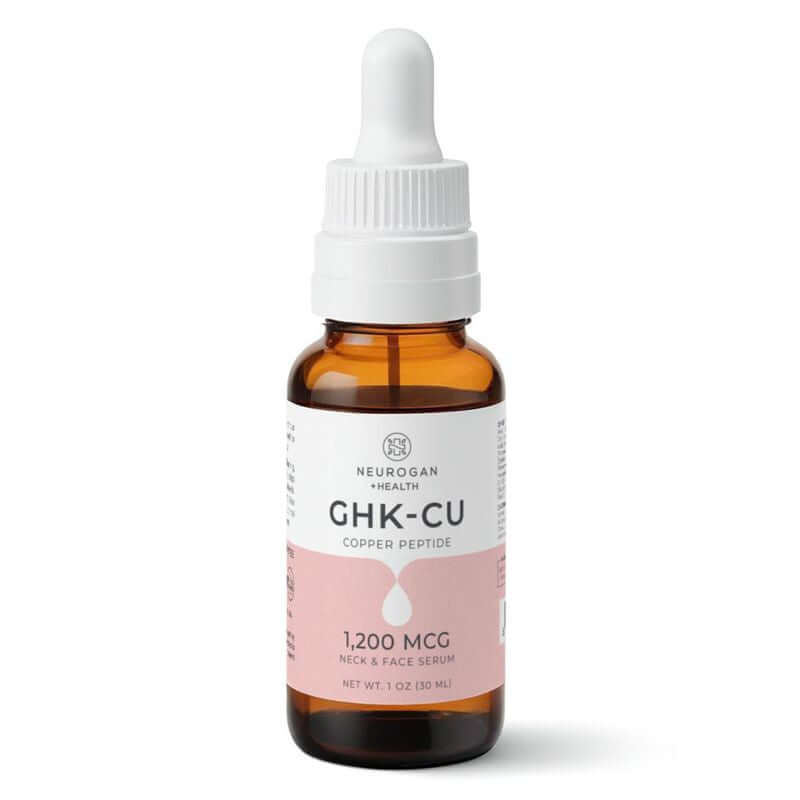
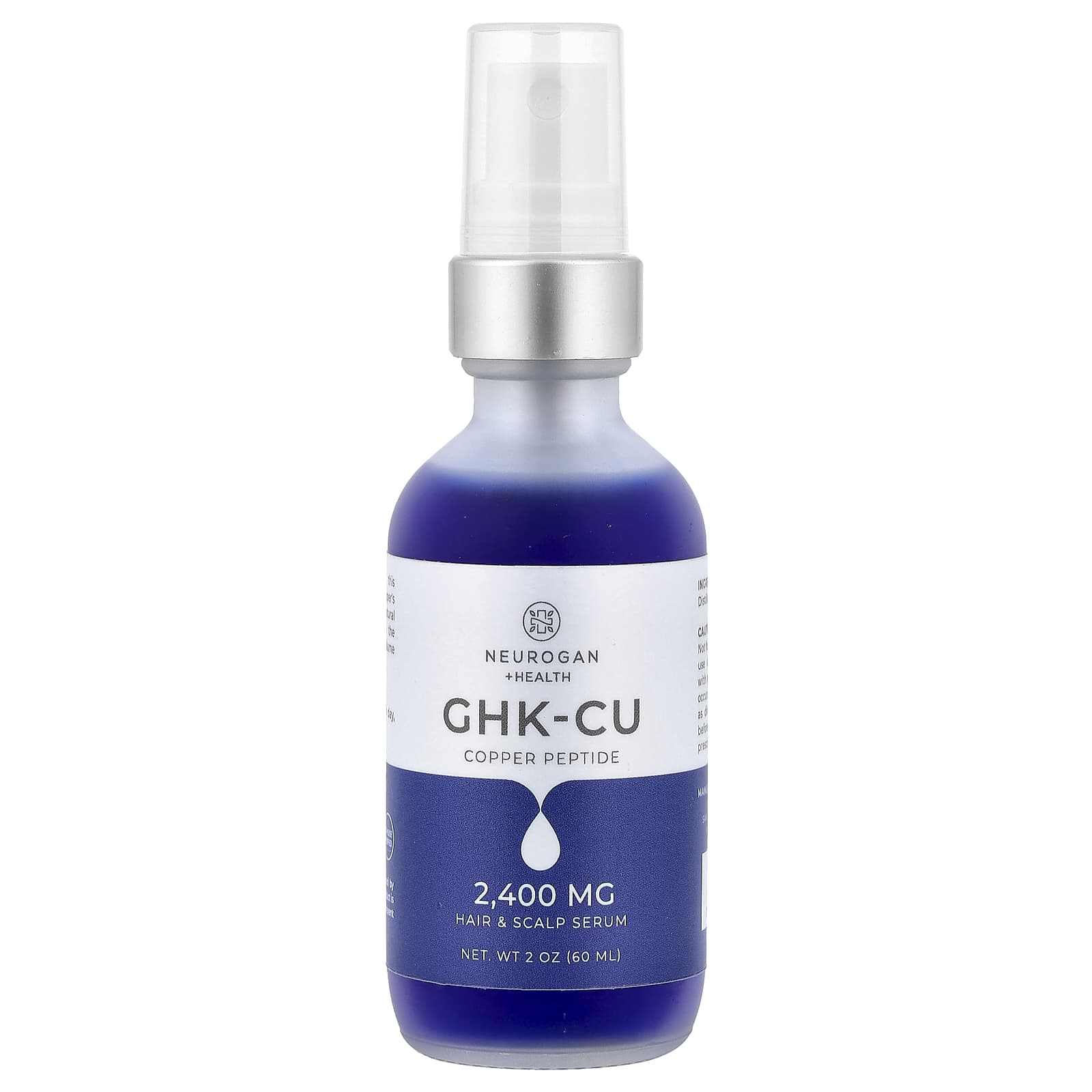
Topical research formulations commonly reference GHK-Cu concentrations in the range of 0.05% to 2%, with research formulations frequently using 1-2% for skin regeneration research and lower concentrations for sensitive-area research
Oncostatic & Genomic Integrity Effects Epithalons potential oncostatic (anti-cancer) properties are supported by animal studies showing reductions in spontaneous tumor incidence and metastasis, especially among aged rodents [4]

Available in 8 stacks save up to 170,00 Cell Renewal - Startsave 54,00 View the stack Cell Renewal - Advancedsave 169,00 View the stack Longevity - Startsave 52,00 View the stack Longevity - Advancedsave 131,00 View the stack Sleep - Startsave 32,00 View the stack Sleep - Advancedsave 98,00 View the stack Glow - Startsave 46,00 View the stack Glow - Advancedsave 170,00 View the stack Epithalon - Telomerase Activation & Cellular Aging Studied for telomere length regulation Explored in senescence models Influences neuroendocrine pathways Engages chromosomal protection mechanisms Studied in melatonin regulation models Investigated in cellular stress response Influences cellular division biology Explored in lifespan-related research Description Epithalon is a synthetic tetrapeptide (Ala-Glu-Asp-Gly) derived from research on epithalamin, a pineal gland extract studied in aging biology

The only published dosing protocol is from mouse studies: 5 mg/kg by intraperitoneal injection, given intermittently over weeks